

A Foreigner's Guide to Buying Property in Bulgaria (2026)
Bulgaria is in the EU and now the eurozone, with prices a fraction of Western Europe. But can a foreigner actually buy? A clear 2026 guide to the rules on land, the buying process, and the taxes and fees.
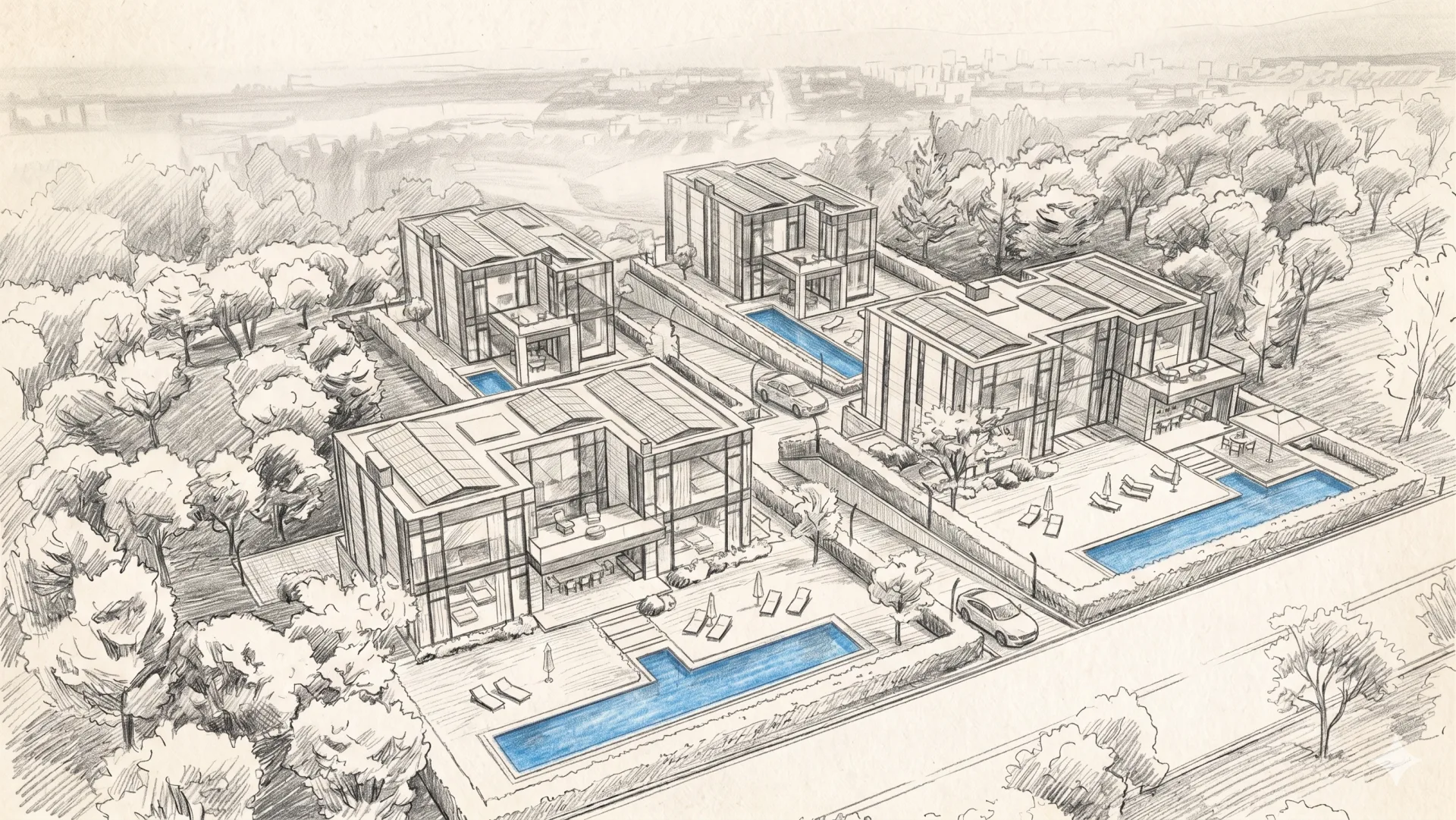
Why Foreigners Are Looking at Bulgaria
Bulgaria in 2026 is an unusually clean value proposition: a full EU member, now inside the eurozone (it adopted the euro on 1 January 2026 at a fixed 1.95583 BGN = €1), with prime property prices a fraction of Western Europe's. For European buyers, currency risk is gone. For everyone, the entry price is low and the lifestyle — mountains, coast, low taxes — is compelling.
But a few real questions come up every time. Here are clear answers, current as of 2026. (This is general information, not legal advice — see the note at the end.)
Can You Actually Buy? The Land Question
This is the point most misunderstood, so let's be precise. The rules differ for buildings vs land, and for EU vs non-EU citizens.
- Buildings and apartments: Anyone, from any country, EU or not, can buy an apartment or a building directly in their own name. No restriction.
- Land — EU/EEA citizens: With Bulgaria's post-accession transition periods expired, EU/EEA nationals can buy land, including regulated building plots, on essentially the same terms as Bulgarians. (Agricultural and forest land is the one area where a residual condition can apply — worth checking with a lawyer if that's your target.)
- Land — non-EU citizens: A non-EU individual cannot own land in their personal name — this includes the plot beneath a house, regulated building plots, and agricultural land. This stems from the Bulgarian Constitution. You can own the building, but not the ground under it, in your own name.
The standard, well-established solution for non-EU buyers is to purchase the land through a Bulgarian company (an EOOD — a single-member limited company). Minimum share capital is symbolic (from €1), registration takes only a few business days, and because the EOOD is a Bulgarian legal entity, it can own land with no restriction. The trade-off is ongoing administration: annual accounts, corporate tax (10%), and withholding on distributed dividends. For a villa on its own plot, this is the normal route — your lawyer sets it up as part of the purchase.
The Buying Process, Step by Step
The mechanics are straightforward and typically take 4–8 weeks:
- Reservation — agree the price and pay a small reservation deposit (≈ €1,000–2,000) to take the property off the market.
- Due diligence — your lawyer verifies title, checks for mortgages, debts, and confirms the planning/regulatory status.
- Preliminary contract (предварителен договор) — you pay a deposit, typically 10%. If the buyer walks away the deposit is forfeited; if the seller walks away, they owe it back double.
- Notary deed (нотариален акт) — signed before a notary who verifies identity and legality; the balance is paid here.
- Registration — the deed is entered in the property register (cadastre), and the property is yours.
Engaging an independent lawyer (not the seller's) for steps 2 onward is the single most important thing a foreign buyer does.
Taxes and Ongoing Costs
Bulgaria's tax treatment of property is famously light:
- Acquisition/transfer tax: municipal, set within a 0.1–3% range; Sofia charges the maximum 3% of the declared value, normally paid by the buyer.
- Notary fee: roughly 0.4–1.5% of price (regressive), plus VAT on the fee.
- Registration fee: about 0.1% of price.
- All-in transaction costs: typically ~3–6% on top of the price, including your lawyer.
- Annual property tax: a small 0.01–0.45% of the tax-assessed value (not market value), plus a municipal waste fee — for most homes a modest annual figure.
- Wealth tax: none. Bulgaria has no net-wealth tax.
- VAT on new-build: the standard 20% applies to a developer's first sale of a new building and to regulated plots; it's normally already included in the quoted price. Older buildings (over 5 years) are exempt.
A Practical Checklist
- Engage an independent Bulgarian lawyer before paying anything.
- If you're non-EU and buying land/a house, set up the EOOD structure with that lawyer as part of the deal.
- Verify clean title and regulatory status in writing before the preliminary contract.
- If buying off-plan, confirm what protects your money and tie payments to construction stages (Act 14 / 15 / 16).
- Budget ~5–6% over the price for transaction costs.
Bulgaria makes buying genuinely accessible to foreigners — the rules are navigable, the taxes are low, and since January 2026 the currency is the euro. The one structural wrinkle, land ownership for non-EU buyers, has a clean, routine solution. With the right lawyer, a foreign buyer can own a villa above Sofia about as easily as a local can.
This is general information current as of 2026, not legal, tax, or immigration advice. Rules change and individual situations differ — always consult a qualified Bulgarian lawyer for your specific purchase.